
Why We Built Underleau
The Eternal Thread of Words
Writing is humanity’s most resilient technology. From the first cuneiform impressions pressed into wet clay tablets, to the steady glide of ink quill strokes on parchment, to the industrial clatter of early printing presses, the medium of our stories has constantly shifted. Every transition—from scroll to codex, from handwritten manuscripts to mechanical keys—opened new horizons. They democratized expression and carried the light of human thought across oceans and centuries.
We shouldn't look at this history with mere nostalgia for the obsolete. The typewriter was not better simply because it was heavy; it was a stepping stone in our shared quest to formulate ideas clearly and preserve them for the future.
The digital screen is the ultimate extension of this legacy—an infinite, adaptable canvas that gives everyone a voice. Underleau is built to honor this long heritage. We believe digital writing tools shouldn't look like sterile corporate spreadsheets; they should combine modern flexibility with the warmth and focus of the timeless craft.
We need to streamline our creative copy to align valuesHighlight across channels...
Our messaging must scale.Alex is typing...CEO viewingThe Evolution of Co-Writing
Collaboration is a powerful force for storytelling. When writers, co-authors, and editors weave narratives together, the synergy can elevate a draft into something truly magical. The exchange of ideas, the shared rhythm, and the immediate feedback are invaluable to the creative lifecycle.
However, modern cloud software often implements collaboration as a crowded, high-pressure boardroom. Multiplayer cursors flash constantly, comments buzz, and notification bells shatter the mental flow. Instead of fostering connection, it forces distractions.
At Underleau, we believe in the promise of real-time co-writing. We are engineering collaborative features for our sync engine down the road, but we are designing it with **focus as the core requirement**. We believe collaboration should preserve focus and privacy—seamless, secure, and entirely on your terms.
The Burden of More
It is incredibly easy to build a complicated tool. Saying "yes" to every feature request costs nothing in the short term. You add another button, another sidebar, another integrations tab, and soon, complexity accumulates like dust. The software starts doing everything for everyone, yet it loses its soul.
In contrast, building a streamlined, simple tool is exceptionally hard. It requires the discipline to say "no" a thousand times. It demands editing away the clutter until only the absolute essentials remain. Restraint is the ultimate challenge in software design.
This is why Underleau will ever only be a "writing" tool. We refuse to bloat into a project management board, a team chat channel, or a customer database. We build for the writer at their desk, ensuring our only task is to help you sit down, focus, and write your next paragraph.
Building a Local-First Workspace
Underleau was built to give you total control over your work. A local-first writing and research workspace that is fast, private, durable, and completely yours.
✦ Local-First Focus
Your drafts are stored directly on your hard drive. No databases monitor your keys, and no servers parse your thoughts. Your writing vault stays yours.
✦ Open File Formats
We save drafts as human-readable `.udl` (JSON state) and standard Markdown. If you ever decide to leave Underleau, your documents walk out with you.
✦ Handcrafted Craft
We design with warm paper hues, soft margins, stamps, and mechanical cursors. Software shouldn't look like enterprise dashboards—it should inspire.

A small part of a bigger Movement.
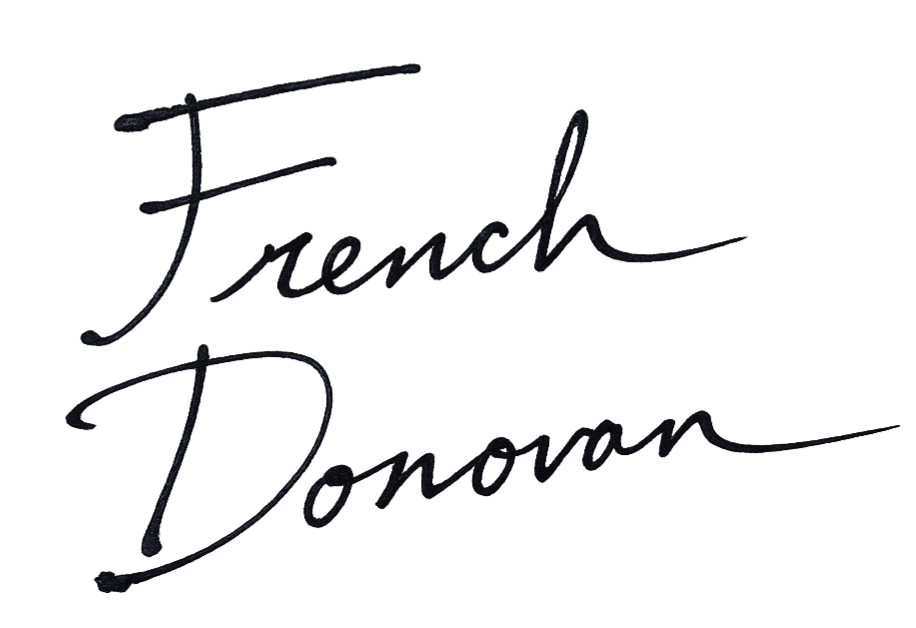
Hi there, I'm French and depending on when you're reading this, I may or may not be a student anymore. But as of the writing of this, I still very much am a CS student, who's just trying to not let the stress of exams have the better of him.
In all honesty, I never thought I'd be building a tool like Underleau. I always knew I wanted to build software, but I never thought it would be a writing tool. I always thought I had to think bigger. Big enough for the VCs and the investors. "Go big or go home" isn't that what they say? Well turns out you'll quickly loose interest in what ever you're building if you aren't actually passionate about it, irrespective of how big it is.
I talk at length about why I built Underleau here, but I guess the TLDR is that I built the tool I needed but couldn't find. All the courses in UX, Software Engineering, and programming we had to do in class turned out to be useful after all.
The Timeless Ledger of Stories
"Writing is how we speak across generations. It preserves the fleeting nuances of the human experience, keeping truth alive in an era of automated synthesis."
In a digital landscape filled with brief status updates and fleeting notifications, long-form literature remains the single most profound way to communicate. Deep thoughts need deep spaces.
The tools we write with carry a profound responsibility. They should respect your words, safeguard your privacy, and never get between you and the blank page. Underleau is our contribution to keeping this ancient human craft alive and well in the digital century.